
Lee Cronin’s The Mummy (2026) Review: A Dark, Grief-Driven Horror Reboot That Hits Close to Home
By: Jonathan Matthew Subido
April 22, 2026
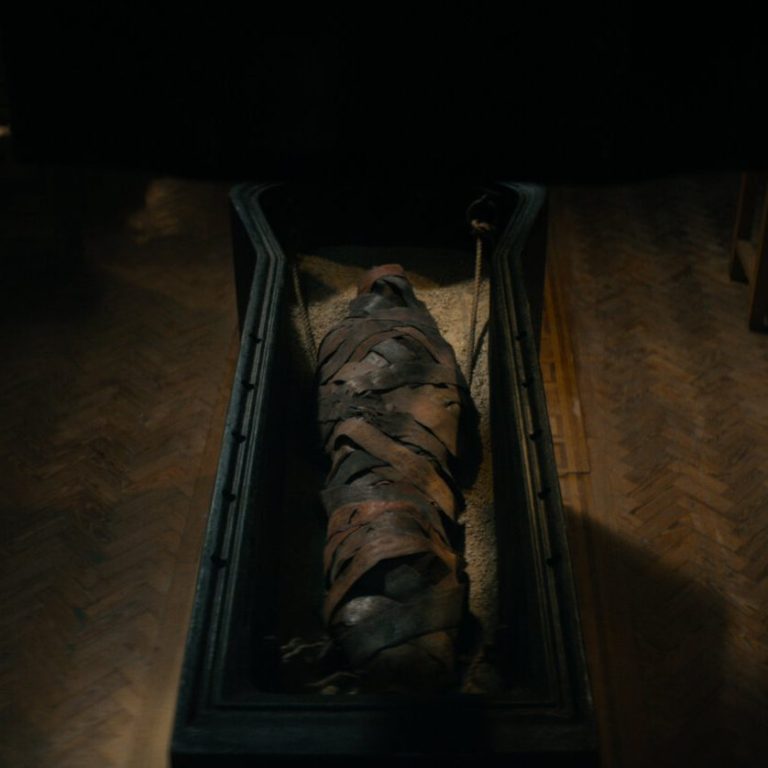
Ancient Grime, Modern Crime: A New Shroud for the 2020s
In 1932, a film about an ancient corpse rising from the grave became an instant horror legend. The image of a reanimated man, wrapped in funerary bandages and stalking the living, was a nightmare-inducing concept for its time. Since then, the Mummy has earned its place on the Mount Rushmore of monsters, standing shoulder-to-shoulder with the Wolf Man, Frankenstein’s Monster, and Dracula.
The origins of this titular terror date back to ancient Egypt, where the sacred tradition of mummification involved removing organs and wrapping the deceased in linen to prepare them for the afterlife. These rituals were so revered that the elite were buried with treasures, servants, and famously, curses carved into stone to ward off grave robbers. While the scare factor of those early black-and-white films might feel a bit dusty to modern audiences, the legacy of the curse has endured through decades of remakes and re-imaginings. We saw the high-octane, "scary-fun" action of the 1999 Brendan Fraser classic, followed by the 2017 Tom Cruise reboot, which was an ambitious attempt to launch a cinematic universe that, unfortunately, stayed buried. Now, in 2026, director Lee Cronin (of Evil Dead Rise fame) has stepped in to change the formula entirely.
But the question remains: is this new iteration a fresh body or just another decayed corpse?
A Nightmare Born of Grief: Why Lee Cronin Took the Reins
In a desperate bid to salvage the franchise's reputation after the 2017 stumble, Warner Bros. and New Line Cinema tapped Cronin for the project. Cronin had already proven he could transform a campy classic like Evil Dead into a visceral, gory nightmare without losing its soul. While the producers were eager to ditch the swashbuckling adventure for pure body horror, Cronin was initially reluctant.
He eventually agreed, finding a way to make the story deeply personal. Much of the film’s domestic trauma stems from Cronin’s own grief following the loss of his mother, a shift in tone that turns the Mummy into a "blank canvas" for a more sinister, intimate kind of villain compared to the over-the-top theatricality of Imhotep. The fact that the film is officially titled Lee Cronin’s The Mummy (2026) is a clear warning to the audience: this isn't a "fun for the whole family" adventure. It’s a serious, blood-soaked tale of a family coming apart at the seams.
Preserved in Cairo, Possessed in New Mexico: A Family Under Siege
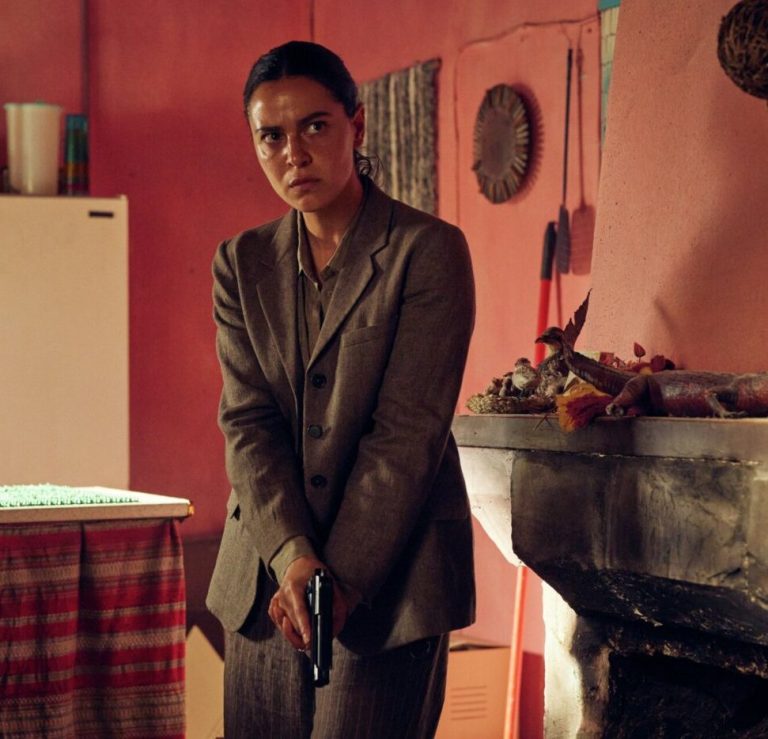
The story begins with a miracle that quickly curdles into a nightmare. Eight years after young Katie Cannon, played by Natalie Grace (The First Omen, The Boogeyman), vanished in Cairo, she is found alive and perfectly preserved inside a sarcophagus within a transport plane wreckage. Her parents, Jack Cannon, played by Jack Reynor (Midsommar, The Peripheral, Sing Street), and Sarah Cannon, played by Adria Arjona (Andor, Hit Man, Morbius), bring her home to Albuquerque, New Mexico, desperate to heal their fractured lives.
Unfortunately, Katie didn’t come back alone. What follows is a truly cursed homecoming. Just as the parents think their long nightmare is over, they realize they are at the mercy of an entity beyond their comprehension. Bringing your kidnapped daughter home is supposed to be the happy ending; in Cronin’s hands, it’s just the opening act for a much nastier haunting.
A World-Ending Threat in a Two-Bedroom House
While the film is a bold take on a classic icon, it isn't without its technical "logic leaps." Despite the long runtime, several moments feel like they’re missing a connective tissue. For instance, the film occasionally showcases a terrifying attack only to hard-cut to a lecture hall the next morning, leaving the immediate aftermath and character reactions completely unaddressed. It’s a jarring editing choice that can momentarily pull you out of the tension.
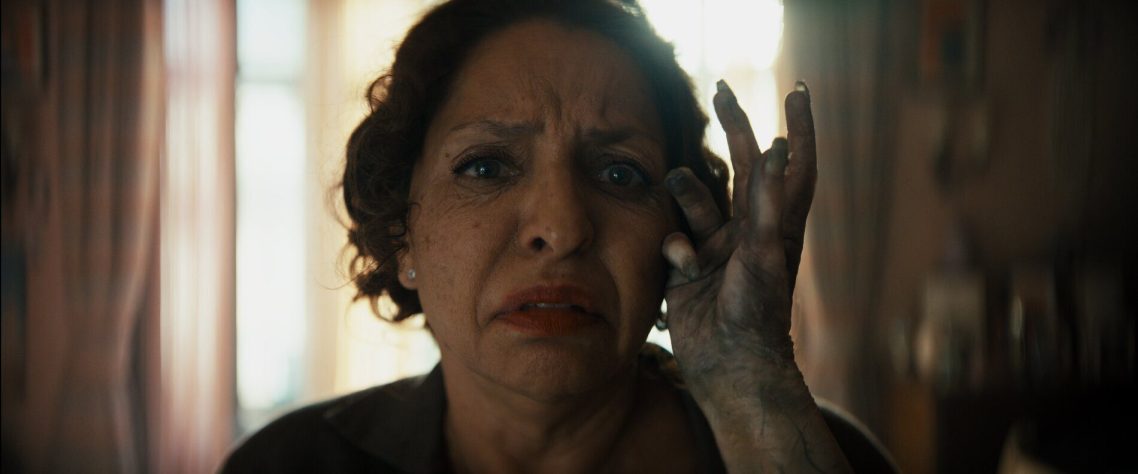
Furthermore, the film’s "international" scope feels a bit underutilized. We start with the grand mystery of Cairo and a massive plane wreck, yet the horror quickly shrinks to the confines of a single suburban household. When dealing with a "world-ending" threat like the Mummy, you’d expect the city to feel the heat, but the movie opts for a more contained, low-scale approach. Finally, on a personal note, the soundtrack leaves something to be desired. It leans into a standard, effective Hollywood horror score, but it misses the chance to incorporate that haunting, ancient Egyptian flair that made previous iterations so atmospheric.
Sustained Rot: Keeping the Audience Glued to the Grime
Clocking in at over two hours, the film risks being a slog, which is a common trap for modern horror. However, Cronin manages to maintain a dual-narrative pulse that keeps the engine running. By splitting the focus between the domestic dread in New Mexico and a high-stakes investigation back in Cairo, the film prevents "one-note fatigue."
Just as the possessed-child tropes start to feel familiar, the movie pivots to the investigation, ensuring the story always has forward motion. This rhythm makes the long journey feel earned. Even in the quieter moments, the screen is filled with unsettling grime, rot, and physical decay. This emphasis on visceral realism ensures you always have something disturbing to look at, keeping you glued to your seat for the entire chaotic ride.
Smaller Scale, Bigger Stakes: The Mummy Gets Personal
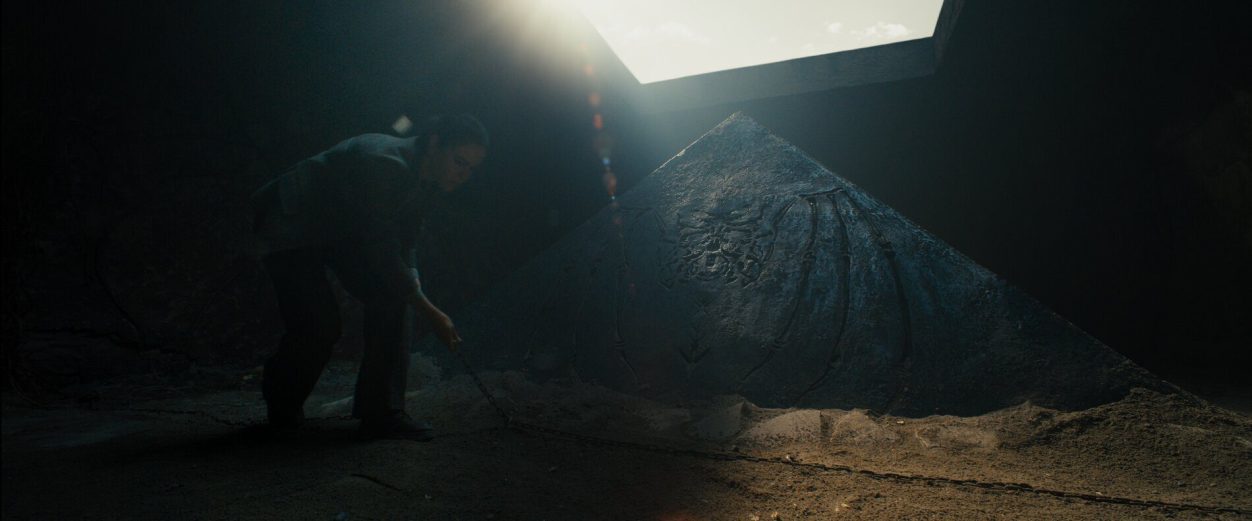
This isn't the campy, action-packed Mummy of the past. By refusing to play the "greatest hits," Cronin delivers a version of the monster that feels like a viral infection. It’s a smaller-scale, claustrophobic kind of danger, one that doesn't threaten to blow up the world, but instead infects the purity of a once-happy family. It strips away the "adventure" safety net and replaces it with a blanket of filth and disgust. It’s a unique, mean-spirited take on a curse that feels less like a ghost story and more like a biological breakdown.
No Heroes, Just Horror: The Mummy’s Meanest Iteration
Lee Cronin’s The Mummy (2026) is a brave, grounded re-imagining of a horror icon. It trades the heroic protagonist for a vulnerable, unpredictable cast of characters, making the dread feel much more immediate. The decision to make the Mummy feel like a child of modern times rather than just an ancient relic is a bold move that pays off. While it has some cracks at the edges, the film is like a car accident you simply can’t look away from, but in the best way possible. If you enjoyed the visceral nature of Evil Dead Rise or the suffocating tension of The Exorcist, this version of the Mummy is exactly the "fresh body" the franchise needed.
Rating: 4/5 ★★★★☆
Lee Cronin’s The Mummy (2026) is now showing in all cinemas.
Images courtesy of Warner Brothers.
About the Author
Jonathan is one of the correspondents and writers of Together Manila. He documents the new and noteworthy, one review at a time. Whether he is sinking into a theater seat, losing himself in an orchestra swell, or getting swept away by an anime binge, he is always chasing the next great story. Gaming, listening to music, and helping promote events keep him busy between deadlines. Aesthetically, he lives in a dreamy space between space core (vast galaxies and drifting satellites) and Frutiger Aero's glossy, hopeful futurism.